# Matcha Made Easy: A Beginner's Guide to the Perfect Cup
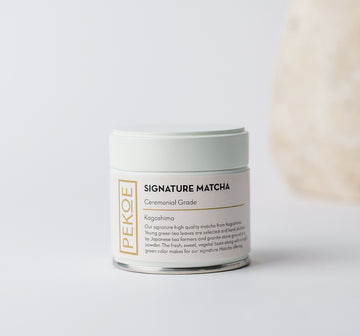
If you've just bought your first tin of Matcha and it's currently sitting on your kitchen counter looking a little intimidating, you're not alone. A lot of first-timers open the tin, stare at that bright green powder, and quietly wonder where to even start. The good news is that making a proper cup of **[Matcha](https://mypekoe.com/collections/matcha)** isn't complicated once you know the basics. It's just a little different from tossing a tea bag into a mug, and that difference is exactly what makes it worth learning properly.
## What You'll Actually Need
You don't need a full traditional tea set to get started, though it does help. At minimum, you want good quality Matcha powder, a small sieve, a bowl or wide cup, and a whisk. A bamboo whisk, known as a chasen, is genuinely worth having. Its fine bristles are built specifically to break up the powder and create that light, frothy top that a good bowl of Matcha should have. A regular spoon or a metal whisk just won't get you the same result, no matter how hard you try.
If you're planning on making a latte instead of straight tea, you'll also want steamed milk (dairy or plant-based, whatever you prefer) and something to froth it with.
## Step One: Sift, Don't Skip It
This is the step most beginners skip, and it's usually where things go wrong. Matcha powder clumps easily, and if you whisk it straight from the tin without sifting, you'll end up with little green lumps floating in your cup no matter how long you whisk. Sifting takes maybe ten seconds with a small fine-mesh sieve and it makes a noticeable difference in how smooth your final cup turns out.
## Step Two: Get the Water Temperature Right
This one surprises a lot of people. Boiling water is actually one of the biggest reasons a first cup of Matcha comes out bitter. Matcha is delicate, and water that's too hot scorches it, pulling out harsh, unpleasant bitterness instead of that naturally sweet, umami flavour it's supposed to have. Aim for water that's hot but not boiling, somewhere around 70 to 80 degrees Celsius. If you don't have a thermometer, just boil your water and let it sit for a couple of minutes before pouring.
## Step Three: Whisk the Right Way
Add your sifted Matcha to the bowl, pour in a small amount of hot water, and start whisking. The motion matters here. Don't stir in circles like you're mixing sugar into coffee. Instead, whisk briskly in a quick zig-zag or "W" motion, keeping your wrist loose. This is what builds the froth and dissolves the powder evenly. It usually takes fifteen to twenty seconds of proper whisking before you'll see a light, frothy layer form on top. That froth isn't just for looks either, it's actually a sign you've whisked it correctly.
Once it's frothed and smooth, top it up with the rest of your water if you're drinking it as traditional Matcha tea.
## Making It a Latte Instead
If straight Matcha tea feels a little too intense for your first few tries, a latte is a gentler way in. Whisk your Matcha with a small amount of hot water first, just like above, to make sure it's fully dissolved and lump-free. Then pour in your steamed milk of choice. The result is creamier, a little sweeter, and much easier on a palate that hasn't adjusted to Matcha's natural grassy notes yet. A lot of our customers start here and move toward traditional tea once they've gotten used to the flavour.
## Common Mistakes Beginners Make
Using boiling water is the biggest one, and it's almost always the reason someone says Matcha tastes "too bitter" after their first try. Skipping the sieve is the second most common issue, usually leading to clumpy, uneven texture. The third is using low-quality Matcha to begin with. Even with perfect technique, cheap or old Matcha made from lower-grade leaves will taste flat and slightly bitter no matter how well you whisk it, so it really is worth starting with something properly sourced.
## Storing Your Matcha Properly
Matcha is more sensitive than most people expect. Light, heat, air, and moisture all degrade its flavour and colour over time. Keep your tin sealed tightly and stored somewhere cool and dark, away from direct sunlight, and ideally away from the stove or oven where heat tends to build up. Some people keep their Matcha in the fridge to extend its freshness even further, which works well as long as the container is properly airtight so it doesn't pick up moisture or odours from other food.
## Give It a Few Tries
Nobody makes a perfect bowl of Matcha on their very first attempt, and that's completely normal. The temperature, the whisking motion, the ratio of powder to water, it all takes a little bit of practice to get exactly right for your taste. Most people find their rhythm within the first week of regular use, and from there it becomes second nature, just a couple of calm minutes built into the start of your day.
Once you get it right, that first proper sip usually makes it obvious why so many people fall in love with Matcha and never really go back to their old routine.
For more information
TikTok: [mypekoe](https://www.tiktok.com/@mypekoe)
Instagram: [mypekoe](https://www.instagram.com/mypekoe/)
Facebook: [mypekoe](https://www.facebook.com/mypekoe/)